Beyond Escapism: When VR Feels More Real
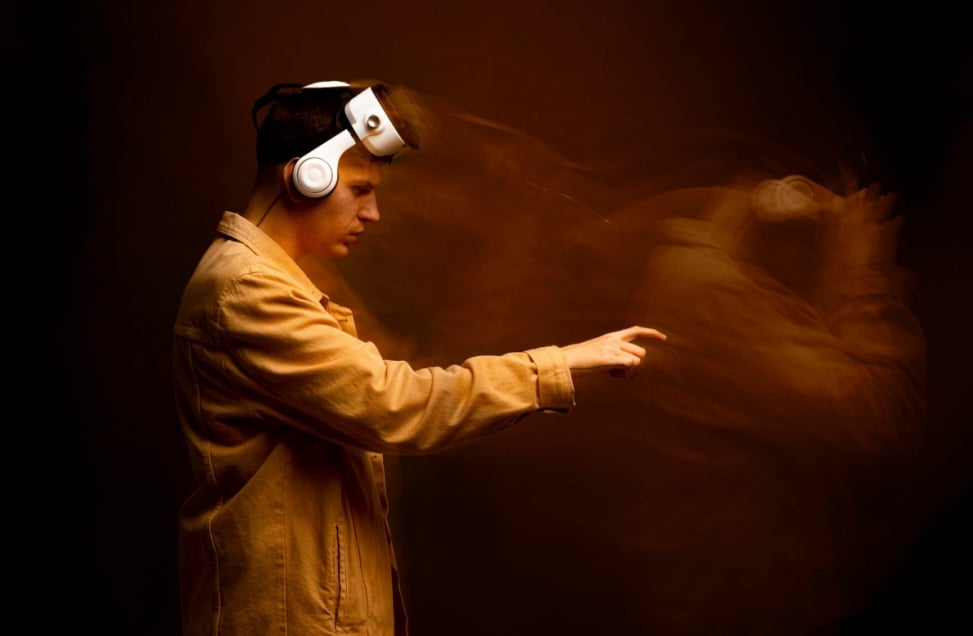
The allure of virtual reality is often framed as escapism—a way to leave behind the mundane. However, the phenomenon of full immersion in virtual reality pushes this concept into new territory. It’s not just about visiting another world, but about the moment your brain accepts it as your primary reality. This powerful effect of presence is the cornerstone of profound VR experiences, shifting the activity from passive viewing to active "being." It directly challenges our understanding of the boundary between reality and games, making it porous and subjective.
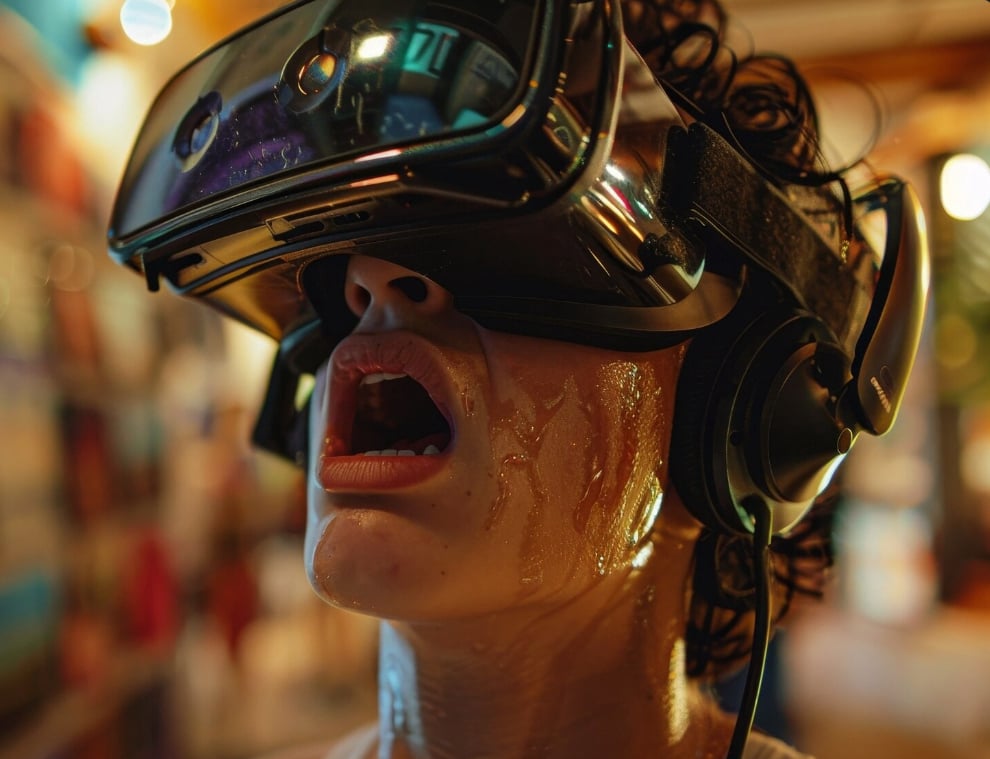
This shift has a tangible impact on VR on consciousness during the session. Your emotional response in VR becomes less mediated, more direct; a virtual ledge can trigger genuine vertigo, and a digital character's gaze can feel intensely personal. This is partly because immersive technologies engage the body’s sensory and proprioceptive systems in a coordinated way. The mind, receiving congruent visual and auditory signals, undergoes a process of mental adaptation to VR, temporarily updating its model of where "you" are. This integration is what makes the experience feel authentic, not just visually convincing.
After removing the headset, the echo of this adaptation can sometimes linger. You might reach for a virtual menu or feel a subtle disconnect from your physical surroundings—a testament to the plasticity of our perception. Studying VR and psychology involves understanding these temporary after-effects, which highlight how deeply the experience can be woven into our neural pathways. It reminds us that these tools don't just entertain the mind; they engage it in a complex dialogue about the nature of reality itself. The journey back from full immersion is as much a part of the experience as the dive in.