My Avatar, My Self: VR's Dance with Body Perception
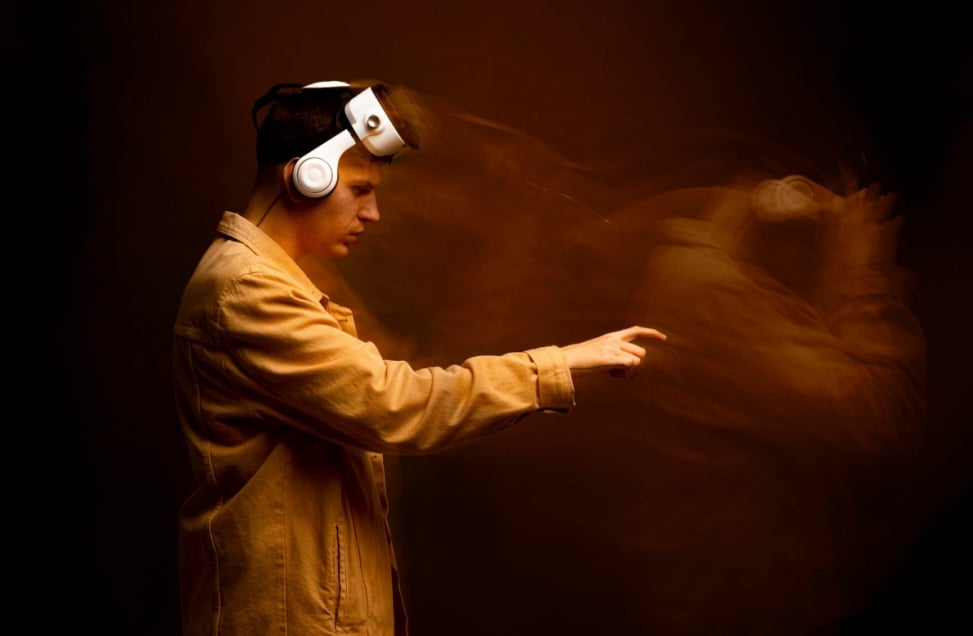
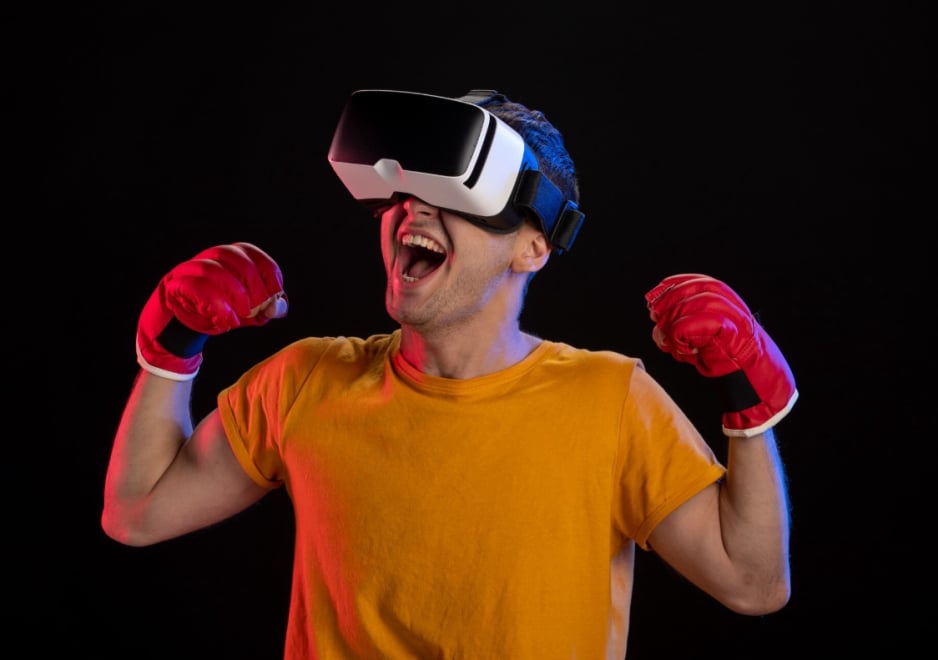
One of the most profound effects of full immersion in virtual reality is its ability to quietly reshape how we perceive our own bodies. This goes beyond simple control; it's about embodiment. When you look down in VR and see a pair of hands—or tentacles, or tools—that move in sync with your intentions, a fascinating cognitive merger occurs. This effect of presence is deeply tied to body perception, as the brain incorporates the virtual appendage into its self-model. Immersive technologies achieve this through precise tracking, creating a reliable feedback loop that convinces our senses.
This fusion can lead to remarkable experiences. Studies and user reports show that people can feel a sense of ownership over a virtual body of a different scale, proportion, or even species. This has a direct impact on VR on consciousness, allowing for experiences that challenge ingrained perspectives. The emotional response in VR tied to this can be powerful, ranging from empowerment to a surreal sense of dislocation. It demonstrates a rapid mental adaptation to VR, where the mind's representation of the self is more flexible than we might assume. This plasticity is at the heart of therapeutic applications and novel artistic expression within VR.
However, this dance with identity also raises intriguing questions. Prolonged sessions with a vastly different avatar can lead to brief, curious aftereffects where one's physical limbs feel unfamiliar. Exploring VR and psychology means examining these subtle shifts without alarmism, understanding them as signs of the brain's adaptive power. It forces us to consider where the boundary between reality and games lies when the game directly modifies our somatic self-image. This aspect of VR doesn't just transport us to new worlds; it offers a unique mirror to reflect on the very nature of our embodied existence.