The Lingering Echo: Mental Adaptation After Immersion
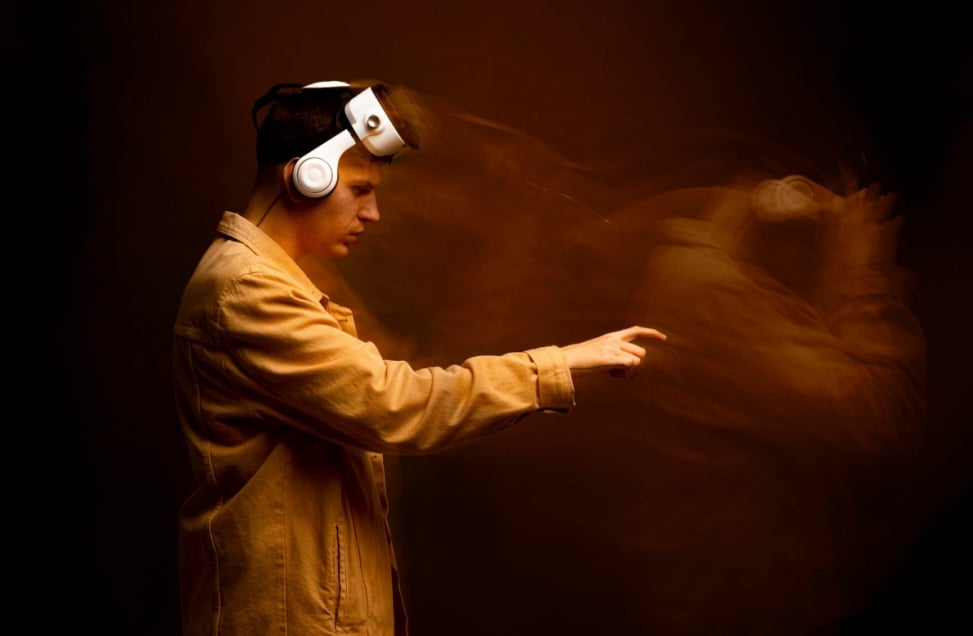
The VR experience doesn't always end when the headset comes off. For many users, especially after deep full immersion in virtual reality, there is a transitional period—a lingering echo of the digital world. This can manifest as a fleeting sense that the physical environment lacks sharpness, or an automatic thought to use a gesture from the game to interact with reality. These moments are not malfunctions, but signposts of the mental adaptation to VR that has just occurred. They reveal the depth of the effect of presence and how actively our consciousness was engaged in maintaining the virtual reality.
This readjustment phase is a crucial, often overlooked, part of the VR and psychology discussion. It underscores that immersive technologies don't just provide a temporary illusion; they engage cognitive and perceptual systems at a fundamental level. The emotional response in VR may also resonate afterward, with the feelings from the experience—awe, tension, excitement—carrying over into a calmer state. This afterglow (or sometimes, after-shock) highlights how virtual experiences are integrated into our emotional memory, similar to impactful real-world events. It blurs the boundary between reality and games in a temporal sense, extending the game's influence.
Understanding this adaptation process encourages more mindful engagement with VR. Allowing time to "recalibrate" after an intense session is as important as the session itself. It's a time for reflection, to process the experience and let the senses settle back into their physical anchors. Observing these after-effects without judgment offers valuable personal insight into one's own susceptibility to presence and immersion. Ultimately, studying this return journey enriches our appreciation of VR's power, showing that its impact on consciousness is not confined to the virtual space but ripples into our perception of the world that was here all along.